
Industrial Crushing Machines: Applications, Materials & Buying Guide
In modern manufacturing and material processing industries, crushing machines are widely used to reduce material size, improve production efficiency, and support recycling processes. From plastics and chemical materials to food ingredients and industrial waste, a reliable crushing solution helps businesses reduce costs and optimize workflow.
This guide explains where industrial crushing machines are used, what materials they can handle, and how to choose the right equipment based on your application.
Why Crushing Machines Are Essential in Modern Industry
Many factories face similar challenges: production waste accumulation, high raw material costs, and inefficient material handling. Crushing machines provide a practical solution by converting bulk materials into smaller, uniform particles that are easier to reuse, transport, or process further.
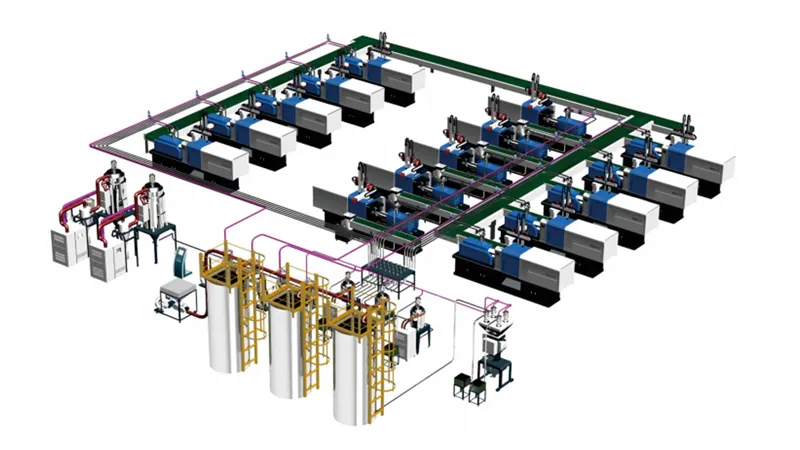
In automated production environments, crushing systems are often integrated with material conveying systems to improve efficiency and reduce manual labor.
Main Applications of Industrial Crushing Machines
1. Plastic and Recycling Industry
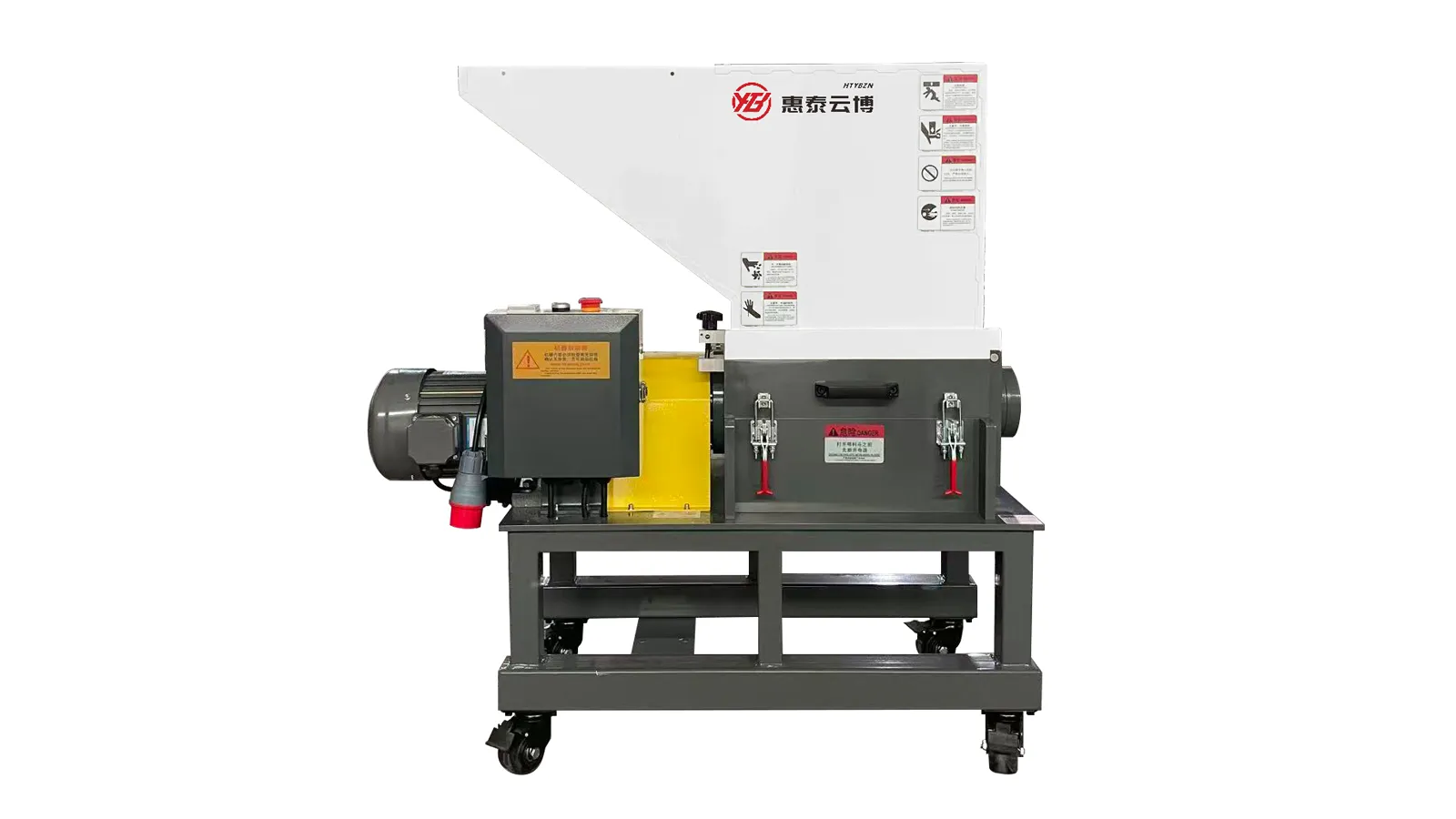
Crushing machines are widely used to process plastic waste such as injection molded parts, bottles, films, and industrial scraps. The crushed material can be reused in production or sent for further recycling.
For recycling applications, dedicated crushing & recycling machines help improve material recovery and reduce environmental impact.
2. Chemical and Industrial Material Processing
In chemical industries, crushing machines are used to process raw materials such as calcium carbonate, resins, fillers, and various industrial compounds. These materials require uniform particle size for consistent product quality in downstream applications like coatings, plastics, and rubber products.
3. Food Processing Industry
Crushing machines are also used in food processing to handle materials such as grains, nuts, spices, and other raw ingredients. These materials are processed into powders or smaller particles for further use in food production.
For food-related applications, machines must meet hygiene requirements, typically using stainless steel structures and easy-to-clean internal designs.
4. Pharmaceutical Industry
In pharmaceutical production, crushing equipment is used to process raw materials and herbal ingredients into fine particles suitable for tablets, capsules, or other dosage forms. Equipment used in this field must comply with strict cleanliness and safety standards.
5. Wood and Biomass Processing
Wood waste, sawdust, and agricultural by-products can be crushed and reused for manufacturing boards, fiber materials, or biomass energy production. Crushing improves material consistency and processing efficiency.
6. Waste Management and Recycling
Industrial crushing machines play an important role in waste treatment systems. Materials such as plastic waste, rubber products, and packaging materials can be processed into reusable resources, supporting sustainable production and environmental protection goals.
What Materials Can Be Processed?
Depending on the machine configuration, industrial crushing equipment can handle a wide range of materials:
- Plastic products (PE, PP, PET, ABS, etc.)
- Chemical raw materials (resins, fillers, powders)
- Food ingredients (grains, spices, nuts)
- Pharmaceutical materials
- Wood, biomass, and organic materials
- Light industrial waste and recyclable materials
Important: Crushing machines are generally not suitable for flammable, explosive, or highly hazardous materials unless specially designed for such applications.
Common Challenges and Solutions
Uneven Particle Size
Inconsistent output can affect downstream processes. This can be improved by selecting the correct blade structure and screen size.
Material Contamination
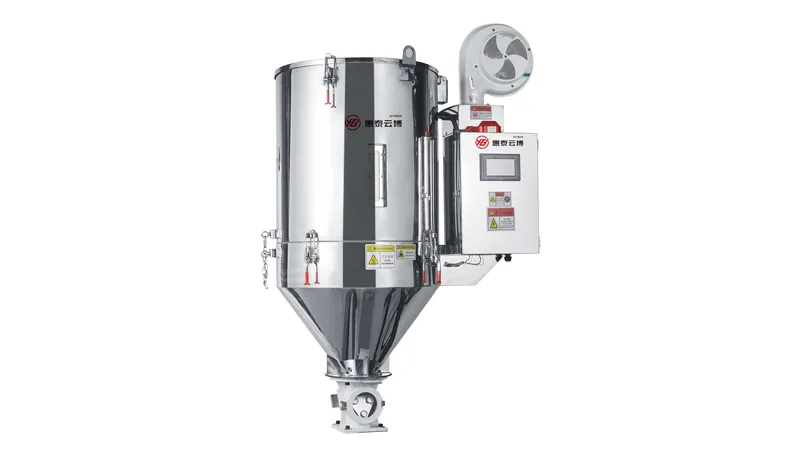
For applications sensitive to moisture or impurities, it is recommended to combine crushing with drying systems to maintain material quality.
Low Production Efficiency
Manual feeding and handling reduce productivity. Integrating with automation and central feeding systems can significantly improve operational efficiency.
Difficult Cleaning and Maintenance
Machines with rough internal surfaces tend to accumulate material residues. Modern crushing machines use precision-machined chambers with smooth surfaces for easier cleaning and compliance with hygiene standards.
Key Features of a High-Quality Crushing Machine
- Durable structure: Ensures long-term stable operation
- Precision machining: Smooth internal surfaces for easy cleaning
- Efficient crushing performance: Fast and uniform output
- Wear-resistant components: Extended service life
- Flexible configuration: Adaptable to different materials and industries
How to Choose the Right Crushing Solution
Selecting the right machine depends on your specific application. Before making a decision, consider the following factors:
- Type and properties of the material
- Required particle size after crushing
- Production capacity requirements
- Industry-specific standards (food, pharmaceutical, etc.)
- Level of automation needed
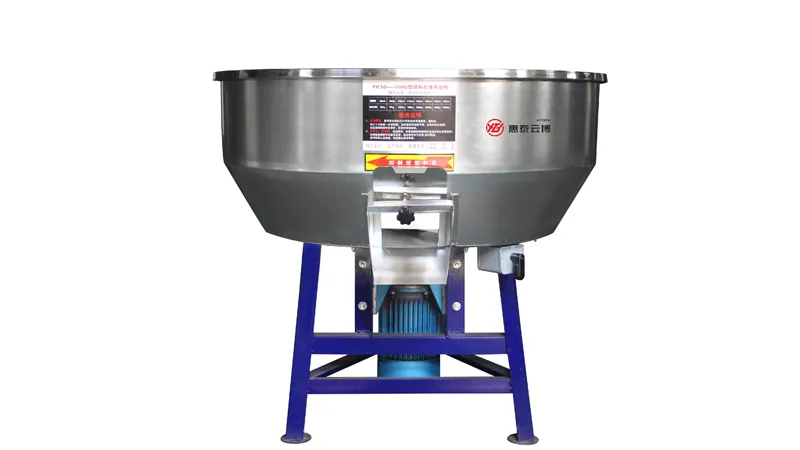
For advanced production lines, crushing machines can be combined with systems such as mixing and blending equipment to achieve consistent material preparation before further processing.
Benefits of Industrial Crushing Machines
- Reduce material waste and production costs
- Improve production efficiency
- Enable material recycling and reuse
- Support automated production systems
- Enhance product quality consistency
Conclusion
Industrial crushing machines are essential equipment across multiple industries, including manufacturing, recycling, food processing, and pharmaceuticals. By reducing material size and improving handling efficiency, they help businesses optimize production and reduce costs.
Choosing the right crushing solution requires a clear understanding of your materials, production goals, and industry requirements. HTYB Machinery provides customized crushing and material handling solutions designed to meet the needs of modern industrial production and support long-term operational efficiency.